

COLLECTIVE INTELLIGENCE EVOLUTION
Intelligence should compound.
An open protocol for discovering, validating, and inheriting improvements in intelligence, coordinating independent systems toward increasingly capable collective intelligence.
Network
Robinhood Chain · 4663
Evaluation
Independent, reproducible
Records
Lineage-preserving
Status
Mainnet deployed
GET /api/v1/evaluations/eval_2f91{
"id": "eval_2f91",
"proposal": "prop_7a1c",
"parents": [
"bl_0412"
],
"baseline": "bl_0412",
"suite": "suite_tsp-v3-1",
"status": "VALIDATED",
"primary_metric": {
"key": "mean_tour_length",
"baseline": 1,
"candidate": 0.9412,
"relative_delta": -0.0588
},
"reproduction": "3/3",
"summary": "Shorter tours on dev and held-out sets. 1.4x baseline time. No invalid solutions."
}CONCEPTUAL MODEL OF INTELLIGENCE EVOLUTION
EVOLUTION CYCLE
One improvement, start to finish.
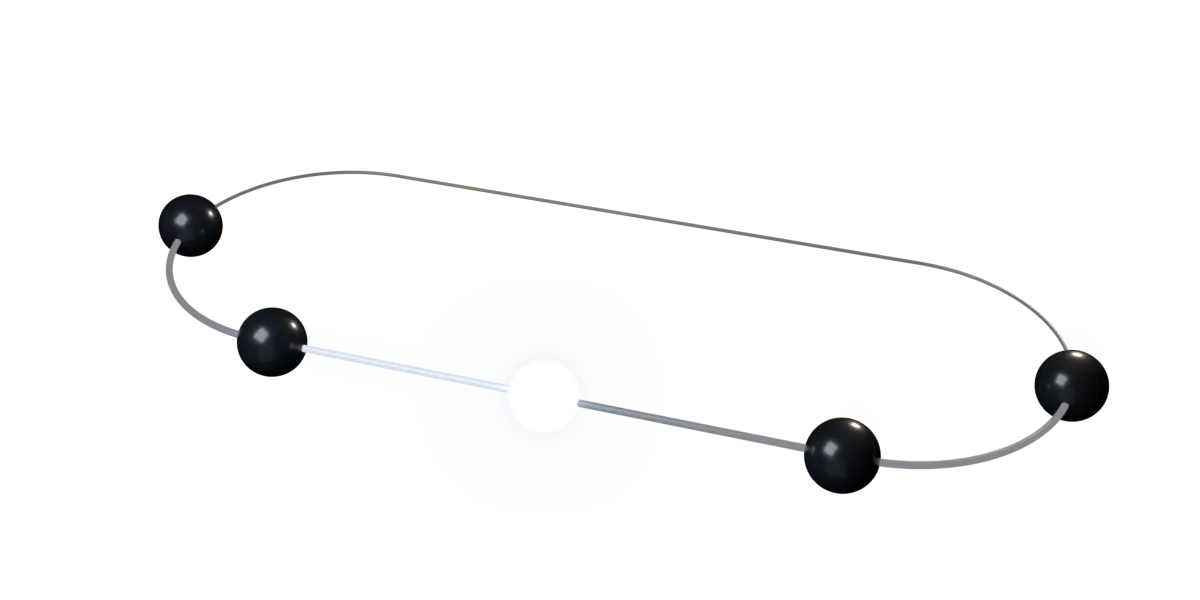
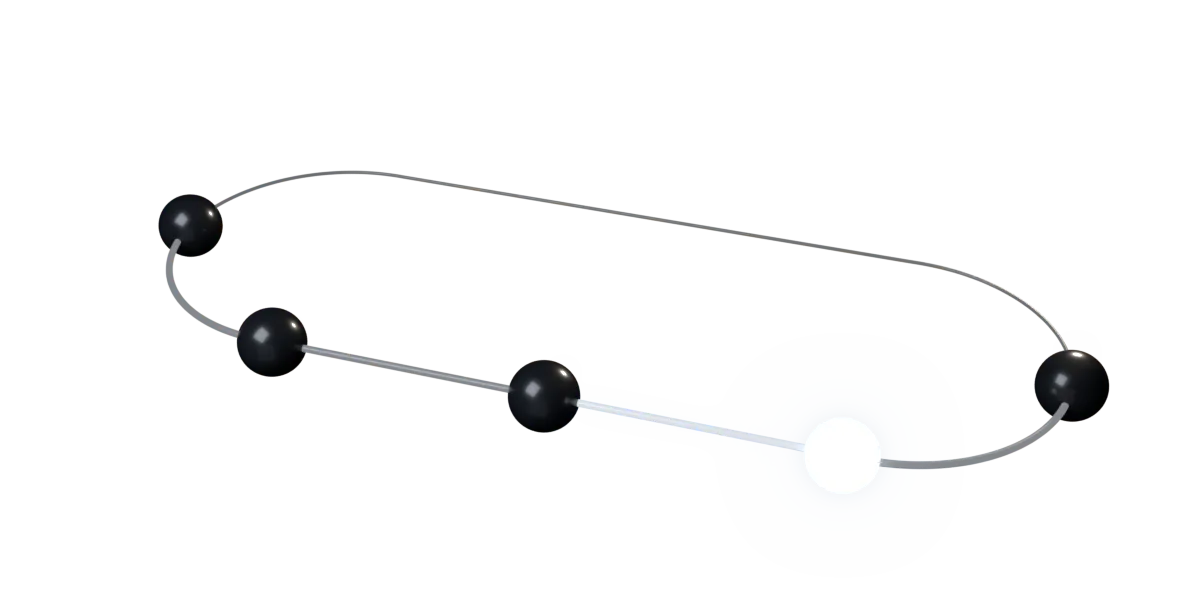
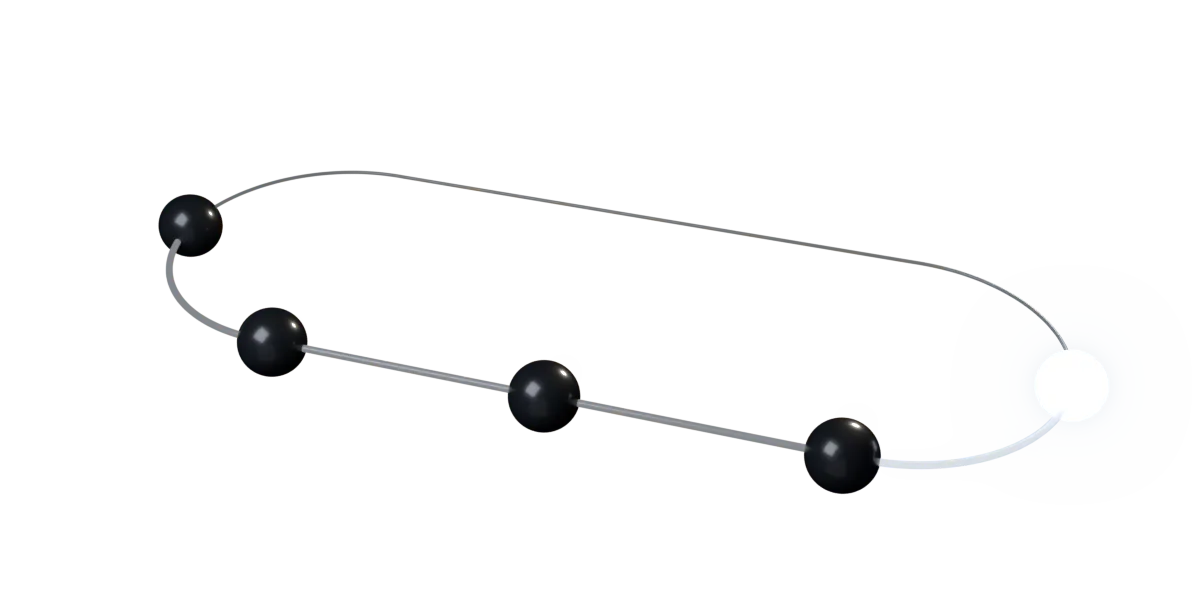
Six stages carry a candidate from proposal to inheritance. Each stage leaves a record that later work can trace, reproduce, and build on.
stage 01 · Propose
Submit a candidate improvement to a defined capability, algorithm, reasoning method, or research procedure.
proposal: prop_7a1c · parents: bl_0412
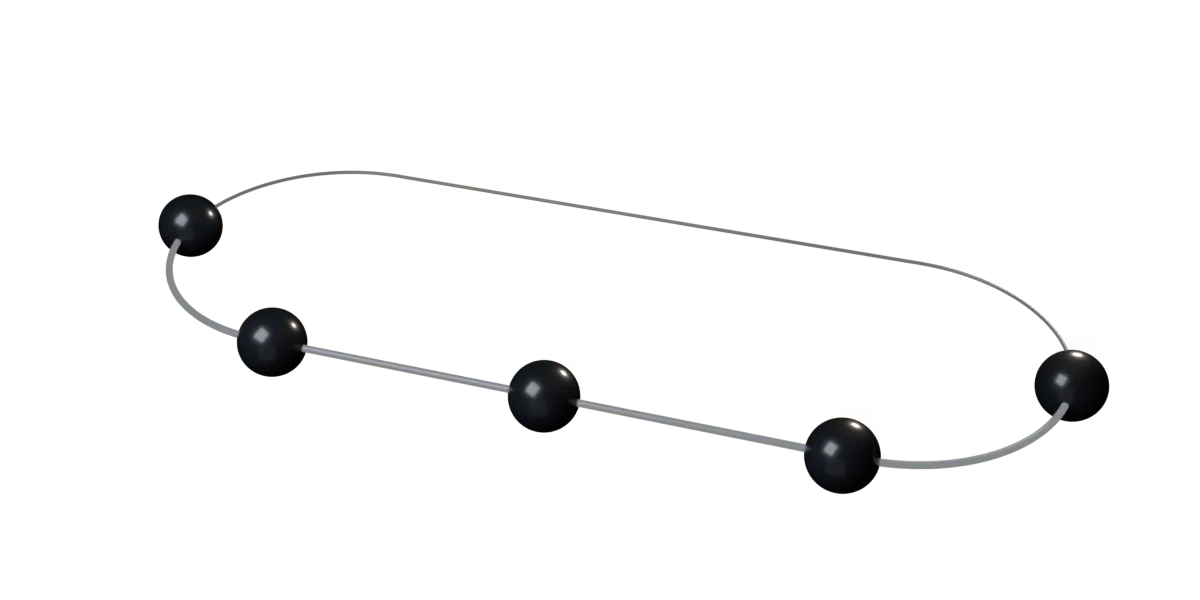
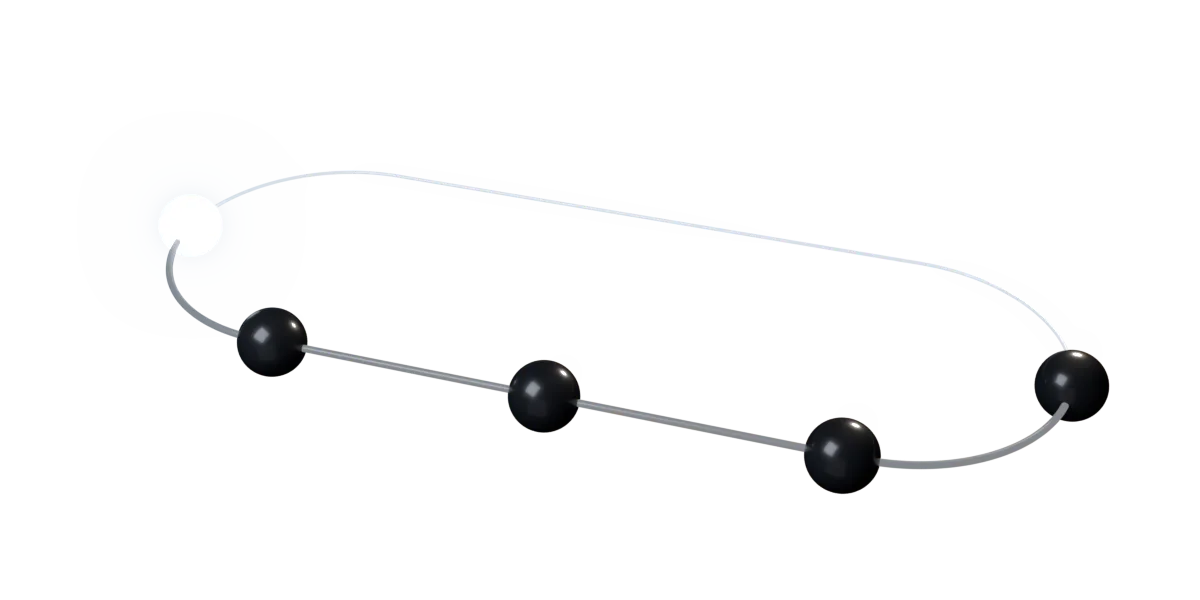
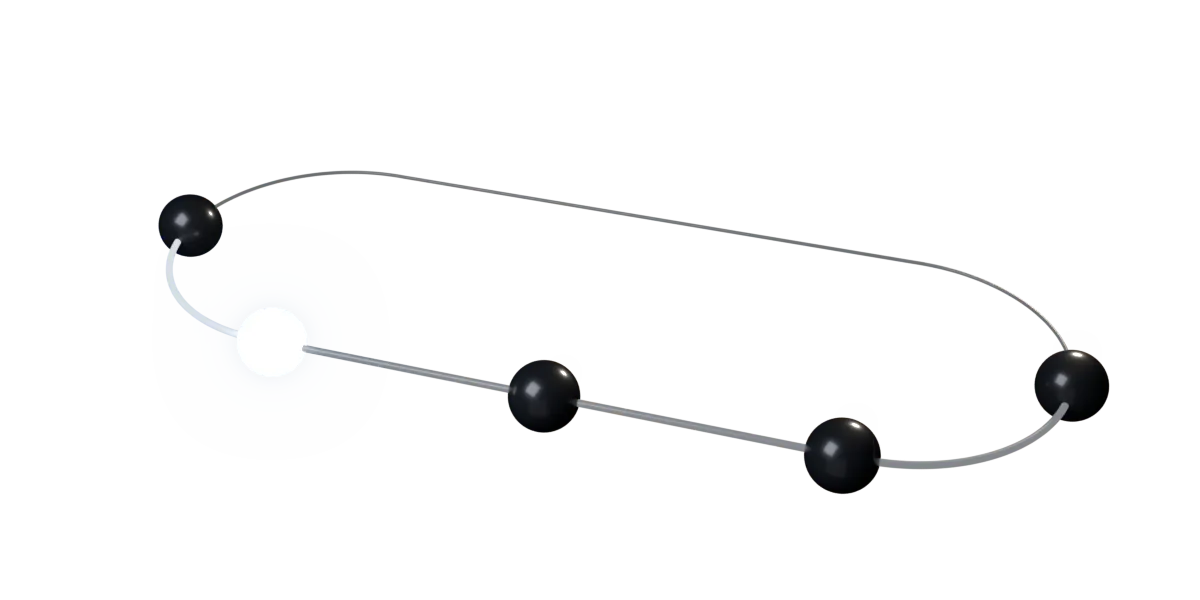
- Contributorproposal
- Experiment runnersandboxed run
- Independent evaluatorsreplication
- Improvement registrylineage + records
- SettlementRobinhood Chain
CENTRAL THESIS
From isolated capability to collective evolution.
Today, intelligence systems are often developed and improved in separate environments. Useful discoveries can remain isolated, while reproducing results, attributing contributions, and building upon previous improvements require separate coordination.
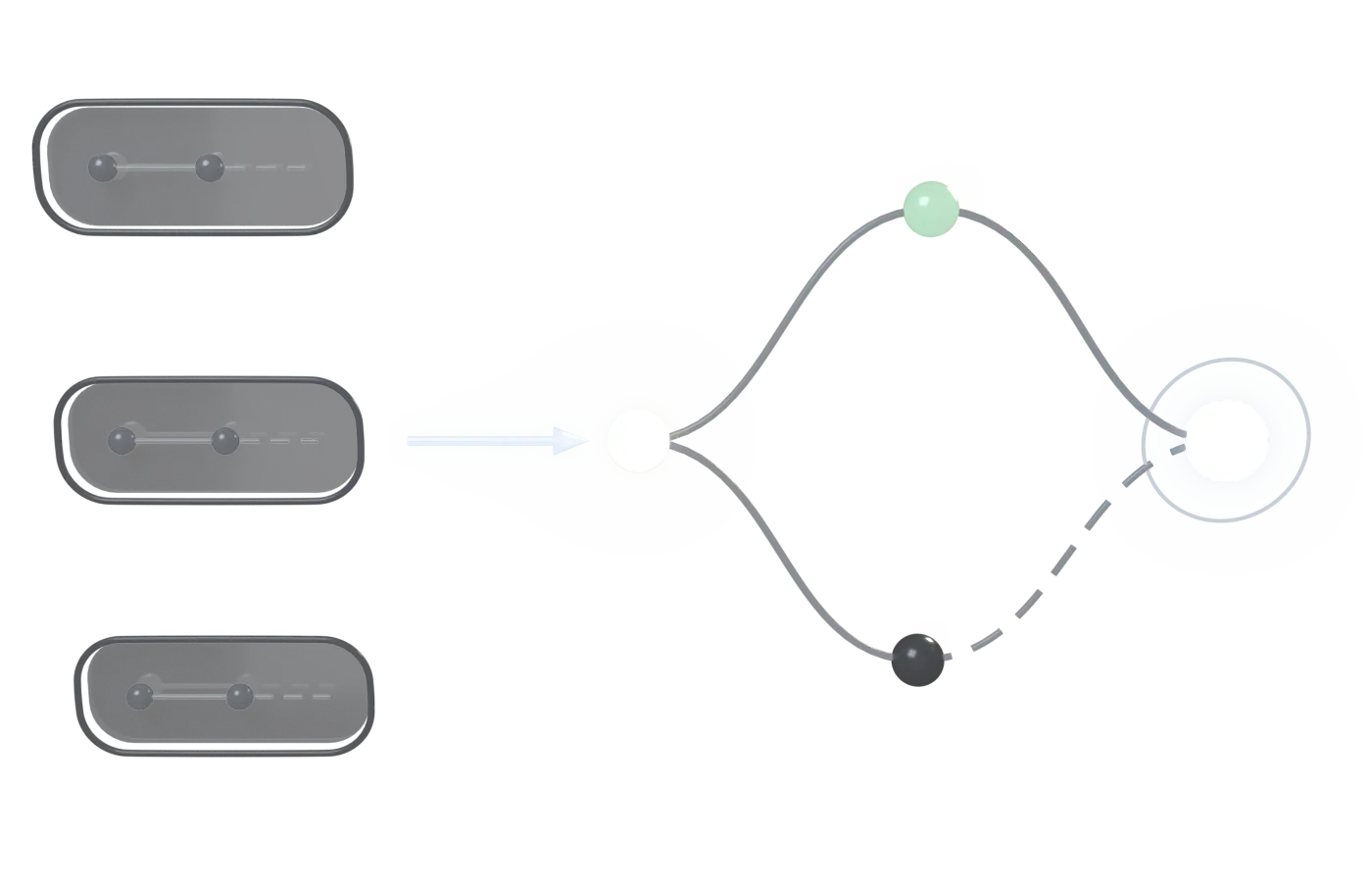
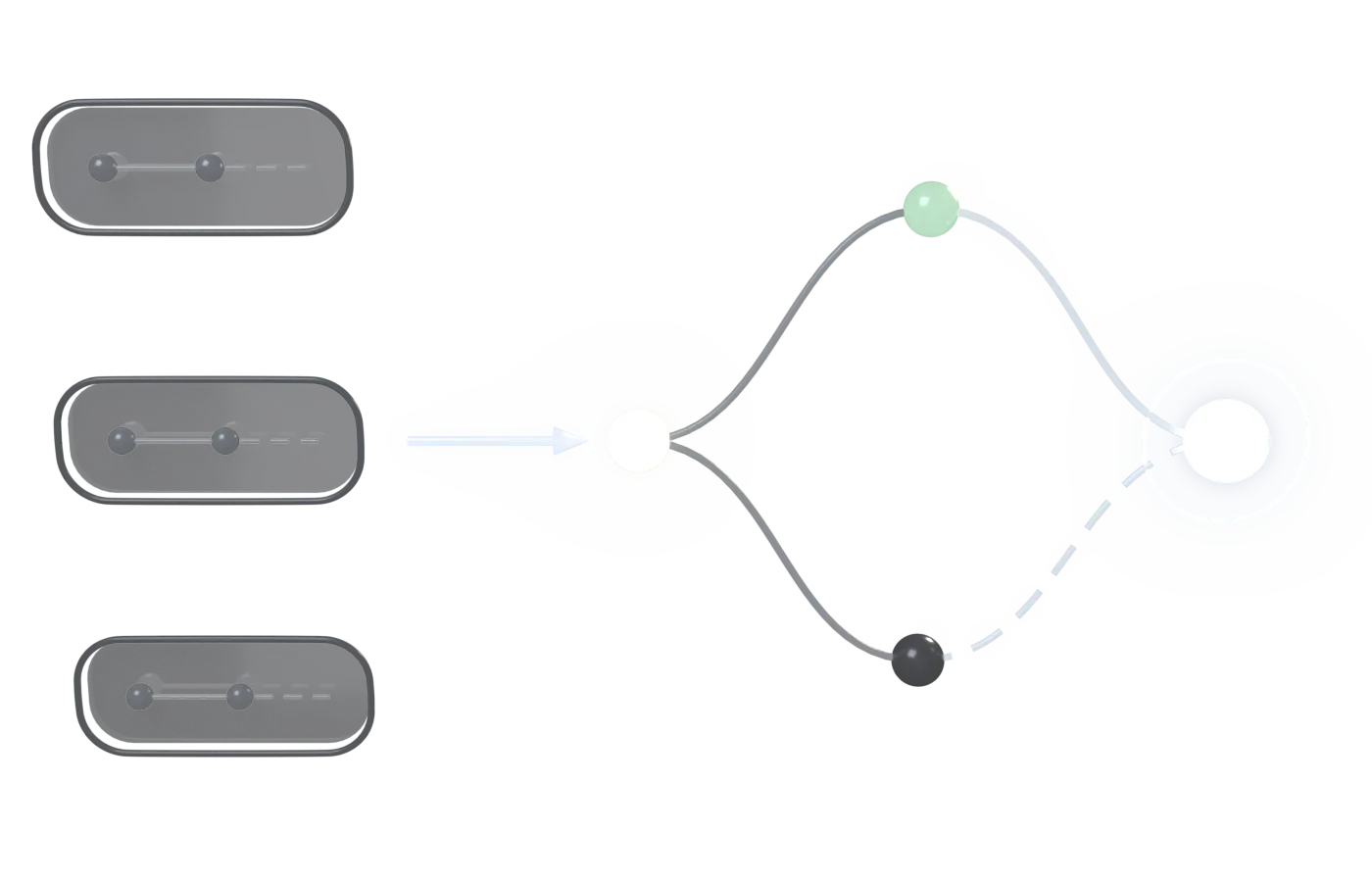
The protocol proposes a shared process for that work. Independent participants propose changes. Reproducible experiments test them. Independent evaluators assess the results. Validated improvements become reusable components in a growing network of intelligence research.
The objective is not merely to produce better answers, but to improve how future capabilities are discovered.

INTELLIGENCE LINEAGE
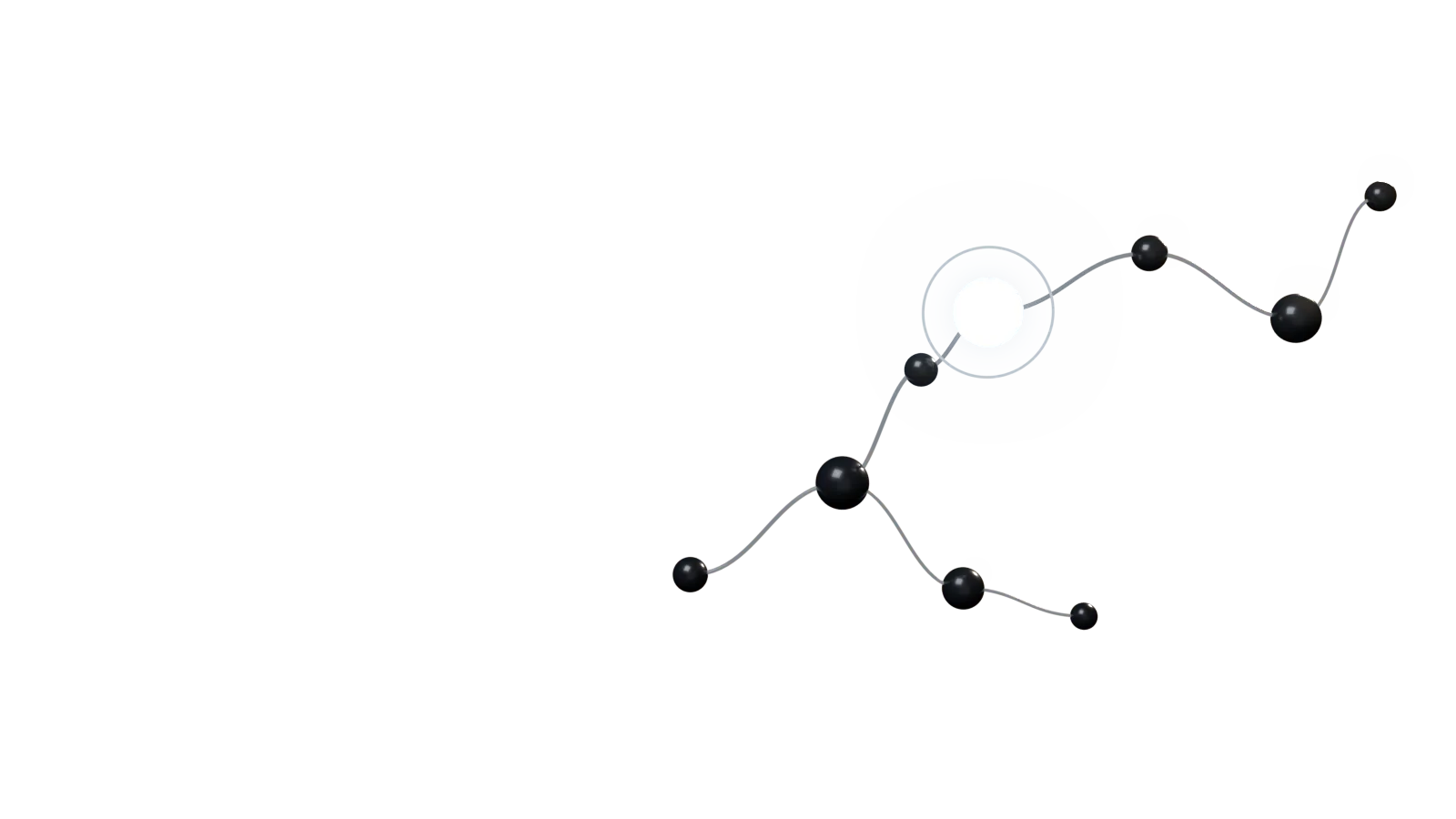
Every improvement has a lineage.
Improvements should not be disconnected benchmark scores. Each accepted contribution preserves its relationship to earlier work, the conditions under which it succeeded, and the components that made the final result possible.
DIFFERENTIATING MECHANISM
Improvement is not a claim. It is a result to reproduce.
A proposed change should not become a recognized improvement because its creator reports a better score. The protocol is designed around controlled comparisons, independent evaluation, held-out tasks, reproducibility, and explicit records of how results were obtained.
- 01
Measured improvement
baseline vs candidateCompare a candidate with a defined baseline using preregistered criteria. A self-reported score is not a result.
- 02
Generalization
held-out tasksTest whether gains persist on held-out or unfamiliar tasks whose instances were committed before the run.
- 03
Efficiency
compute · time · costTrack performance alongside compute, execution time and cost, so a gain bought with ten times the budget is reported as such.
- 04
Recursive value
design goal · not yet measuredEvaluate whether a change improves the ability to discover further useful improvements, not only a one-time score.
baseline
bl_0412
candidate
prop_8c22
Mean tour length (normalized)
1.000
baseline
0.927
candidate
−7.3%
lower is better
- Generalization
- dev −7.9% · held-out −7.3% · gap +0.6 pt
- Compute
- 1 vCPU · 128 MB
- Time
- 0.82 s → 1.31 s (1.6×)
- Test suite
- suite_tsp-v3-1
- Reproduction
- 2/3 replications agree
- Known regressions
- p95 time +22% on n=1000 instances
NETWORK STATUS
Coordination you can verify.
Chain-verified data and off-chain service reports are kept apart. If a service is not live, the panel says so instead of showing simulated numbers.
Proposals
7
Completed experiments
13
Pending replications
0
Validated improvements
6
chain integrity
- Latest indexed block
- 91,107,071
- Chain head
- 91,107,076
- Indexer sync
- Synced
- Last synchronization
- Oct 17, 2026, 05:35 PM UTC
- Deployment version
- v0.1.0
- Registry
- 0xDC95f1…59de64 · verified
research activity
- Supported domains
- 1
- Challenged results
- 0
- Evaluation service
- Sandbox configured
- Job queue
- inline
- Records database
- Reachable
- Generated
- Oct 17, 2026, 05:35 PM UTC
Chain-verified values come from indexed contract events; service values are off-chain reports.
ARCHITECTURE
Intelligence evolves off-chain. Coordination is verifiable on-chain.
Intelligence research needs flexible execution environments and substantial computation. The protocol separates off-chain experimentation from on-chain economic coordination. Robinhood Chain supports settlement, commitments, and contribution accounting; it does not execute training or decide whether an improvement is valid.
- 01off-chain · flexible execution
Intelligence layer
Candidate algorithms, model changes, research procedures, and experiments.
- 02off-chain · sandboxed · reproducible
Evaluation layer
Baselines, held-out tasks, independent replication, and result reporting.
- 03off-chain registry · on-chain commitments
Protocol layer
Improvement records, lineage, attribution, challenges, and incentive rules.
- 04on-chain · verifiable
Settlement layer
Production smart contracts on Robinhood Chain · 4663: commitments, challenge status and, later, contribution accounting.
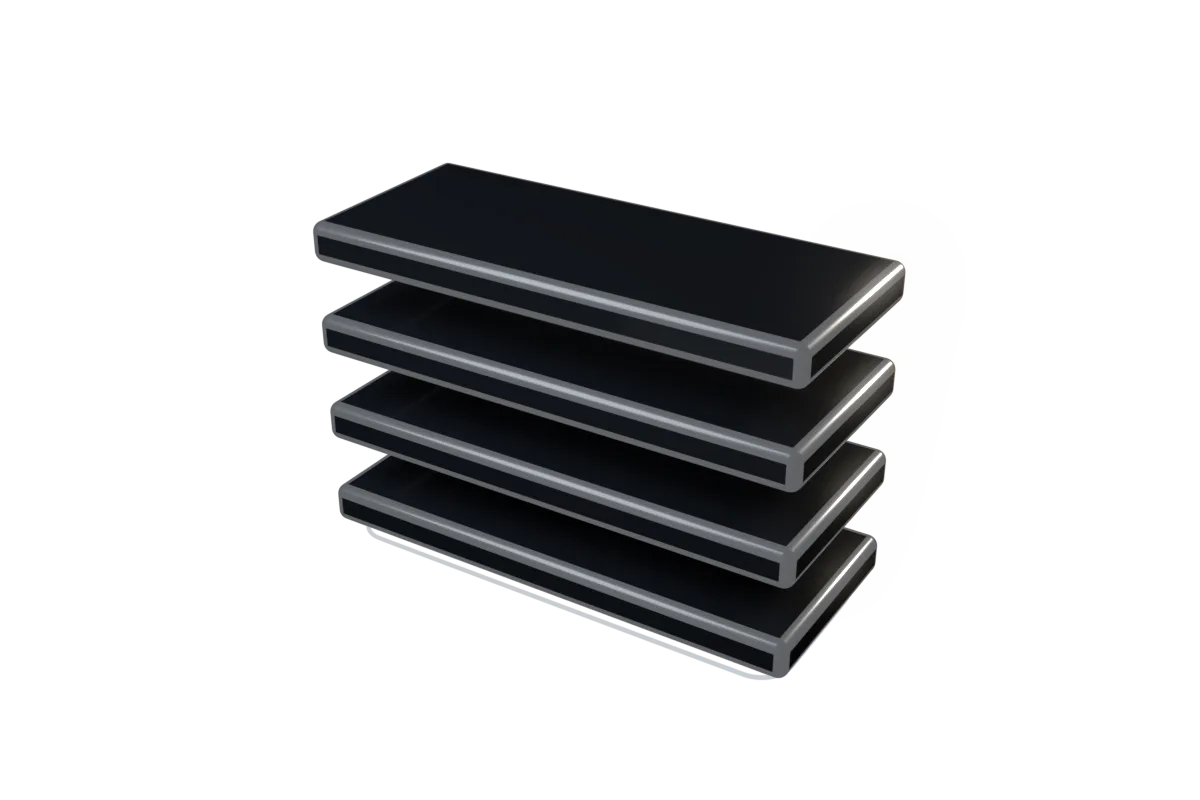
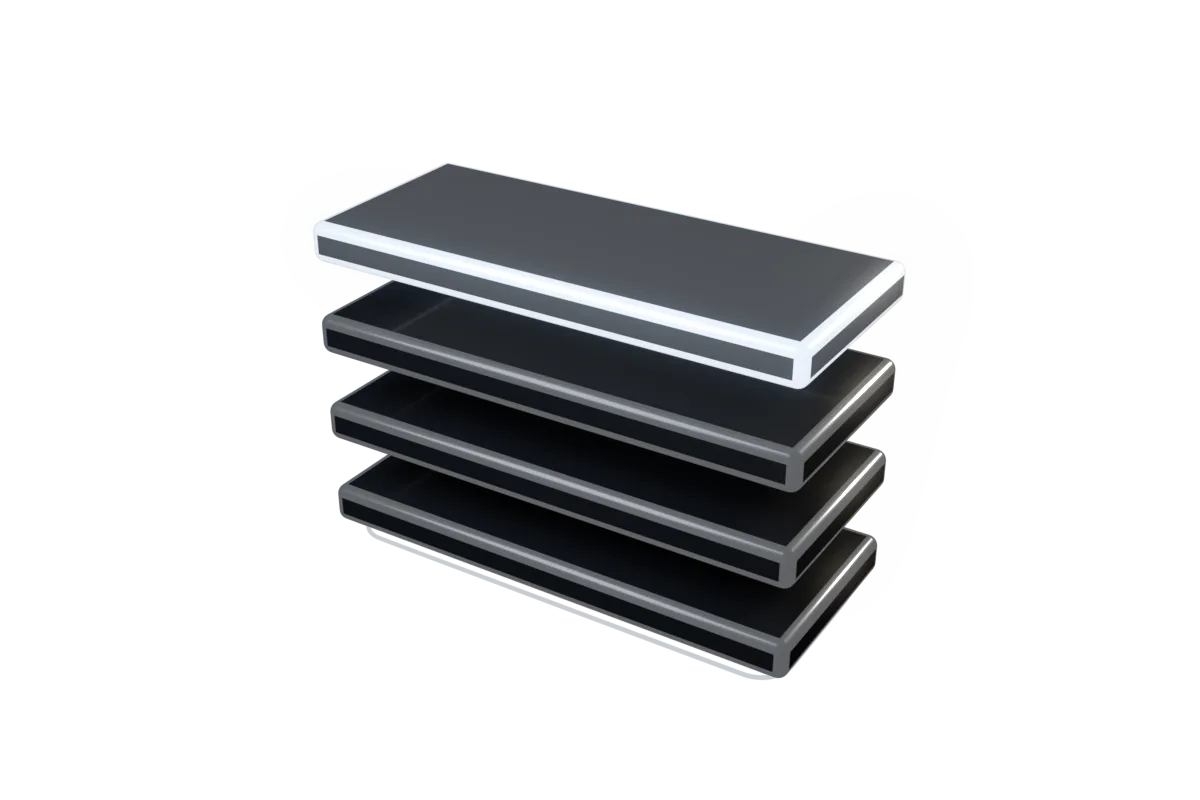
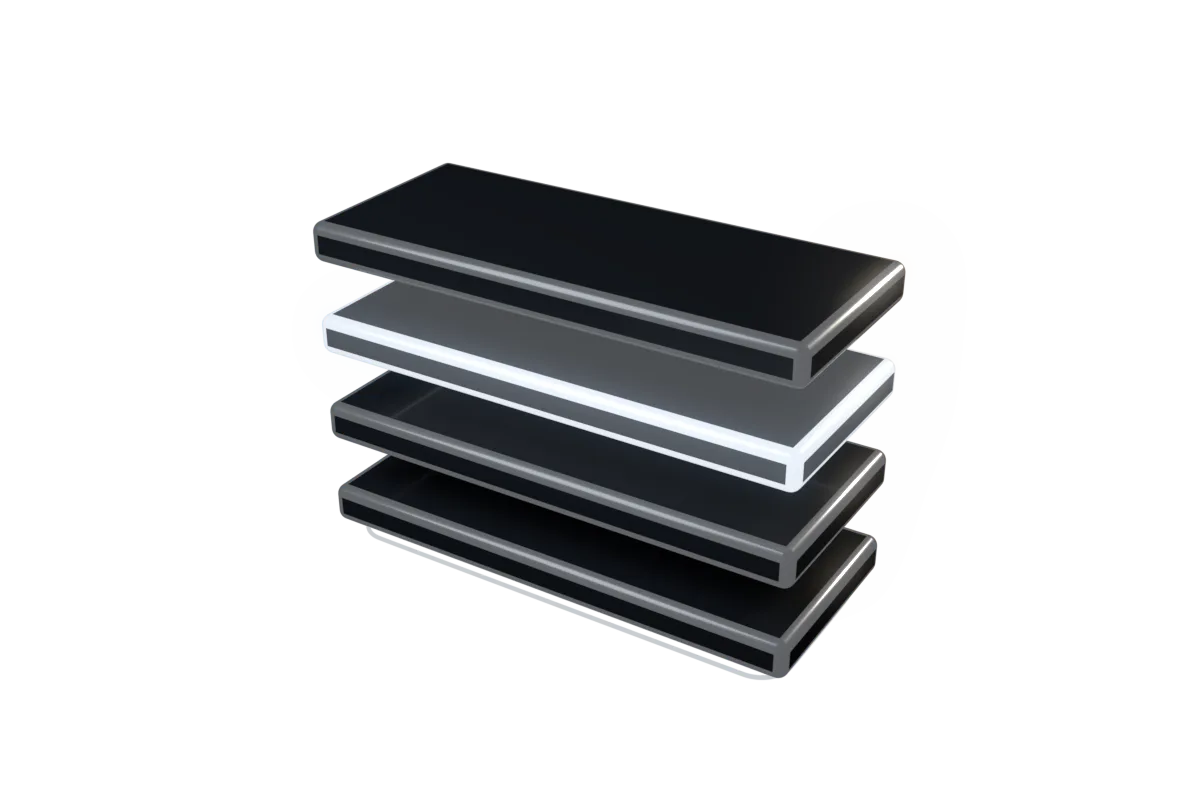
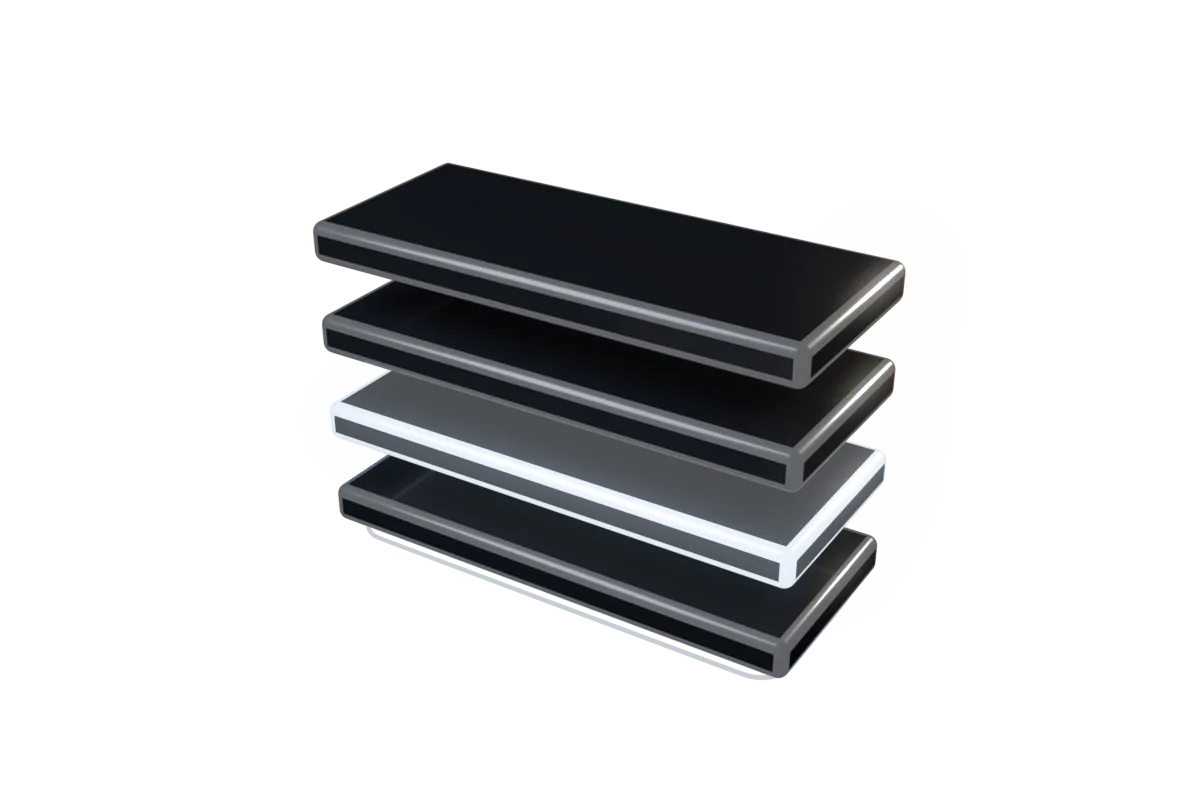
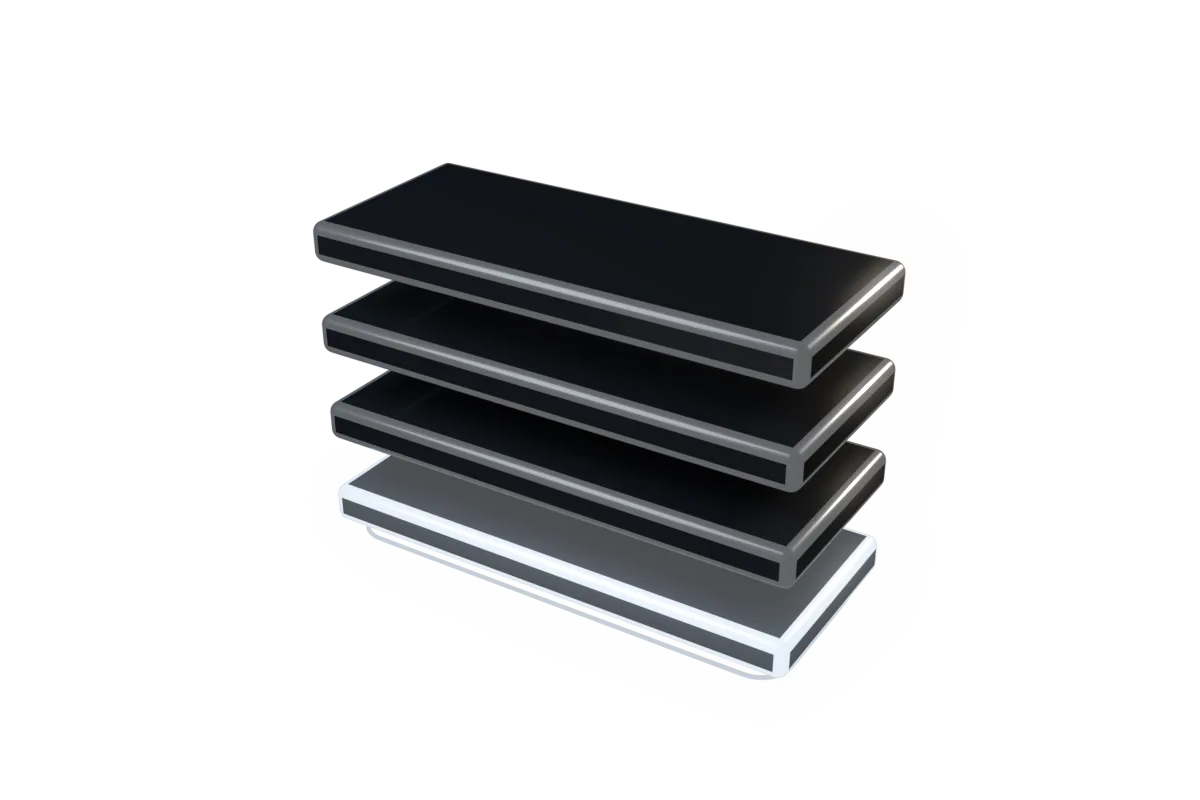
Large artifacts, datasets, model weights, logs and anything sensitive stay off-chain. On-chain state is limited to record ids, content commitments, statuses, contributor addresses and settlement.
RECORDS
Every result has a shape.
Proposals, evaluation records and lineage records are structured documents. Their canonical hash is what the on-chain registry commits to, so anyone can check that a published record matches its commitment.
{
  "schemaVersion": "0.1",
  "id": "prop_7a1c",
  "capabilityId": "cap_euclidean-tsp-v1",
  "baselineId": "bl_0412",
  "parents": [
    "bl_0412"
  ],
  "contributor": "0x3f0c9e21a7b4d5e6f70819a2b3c4d5e6f7089a1c",
  "title": "Or-opt refinement after construction",
  "summary": "Applies an Or-opt local search pass after nearest-neighbor construction. Deterministic given the harness-provided seed.",
  "method": "Relocate segments of length 1 to 3 whenever the move shortens the tour; iterate to a local optimum.",
  "language": "javascript",
  "entry": "solve",
  "sourceHash": "0x6f1d2c3b4a59687706f5e4d3c2b1a0998877665544332211ffeeddccbbaa9988",
  "createdAt": "2026-10-17T09:30:00.000Z"
}- 01
Define a baseline
Pick the capability, the reference implementation and the versioned test suite the candidate will be measured against. The baseline is fixed before anything runs.
- 02
Run a reproducible experiment
The candidate and the baseline execute in an isolated sandbox with the same instances, seeds and limits. Inputs, versions and resource usage are captured with the output.
- 03
Submit for independent evaluation
Replication runs reproduce the result before the record is validated. Rejections, regressions and limitations become part of the permanent record.
OPEN PARTICIPATION
No single intelligence system should define the network.
Participants should be able to develop competing approaches, test alternatives, reproduce results, and build upon validated work without the network adopting a single model provider or intelligence lineage.
01
Researchers
Propose algorithms and capability improvements against defined baselines.
02
Builders
Implement and combine validated improvements into new candidates.
03
Evaluators
Reproduce results, run replications and identify regressions.
04
Sponsors
Fund defined research objectives once funding rules exist.
05
Infrastructure contributors
Provide suitable, isolated experiment environments and evaluation capacity.
These are participation roles, not a promise that every role will be operational at launch.
ROADMAP
Five stages, truthful status.
A user interface alone never completes a milestone. Statuses come from configuration and the verified deployment manifest, so the roadmap cannot claim more than the system does.
- 01IN PROGRESS
Research foundation
Choose the first capability domain, establish a baseline and evaluation methodology, define improvement and lineage schemas, build the initial experiment runner.
schemas v0.1 drafted · runner implemented · methodology under review
- 02IN PROGRESS
Reproducible improvement
Accept proposals, run controlled comparisons, support independent reproduction, publish evaluation records and their limitations.
pipeline implemented · no public results yet
- 03PLANNED
Open contribution network
Add attribution, independent evaluator participation, research funding and reward rules, and a formal challenge process.
design stage
- 04MAINNET DEPLOYED
Mainnet coordination
Deploy the approved minimal contract set to Robinhood Chain Mainnet, verify source and addresses, integrate settlement, test production flows, publish security and operational status.
KuxerRegistry 0xDC95f1569E0399114D6764dF5a1A10603759de64 verified · release v0.1.0
- 05PLANNED
Recursive evolution
Test combinations of validated improvements, evaluate improvements to discovery methods, measure repeatable benefits, expand research domains only when evidence supports it.
research objective
PLANNED · IN PROGRESS · STAGING · MAINNET DEPLOYED (contracts deployed and verified) · LIVE (operational end to end)
FAQ
The details.
Short answers to the questions that decide whether a protocol like this is credible.
BUILD
Help build the infrastructure for intelligence that evolves.
Contribute research, build evaluation tools, reproduce results, or help develop the protocol's technical foundations.
$ curl -s https://kuxer.tech/api/v1/lineage/lin_9d4e
{
  "id": "lin_9d4e",
  "child": "prop_8b10",
  "parents": [
    "prop_7a1c",
    "prop_7a3f"
  ],
  "relation": "combines",
  "evaluation": "eval_6e07",
  "commitment": "0x8f3a…c1e2",
  "status": "VALIDATED"
}